


Resource Library
There are countless resources produced by various organizations related to adopting sustainable practices. The Chester County Planning Commission, along with our partners, has curated a list of the information, guides, partners, and funding resources most relevant to Chester County HOAs. If you have questions or need help getting started, contact sObfuscationustainability@Obfuscationchesco.org.
Solar
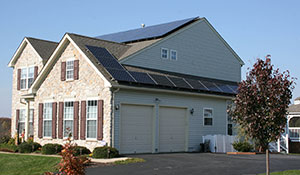
Solar power is not only a great option to save money, but it also helps households reduce their carbon footprint. Learn More
Riparian Buffers
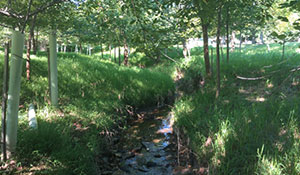
Riparian buffers are vegetated areas consisting of trees, shrubs and meadows adjacent to a pond, lake, stream, creek, river, or wetland. Learn More
Lawn Conversion
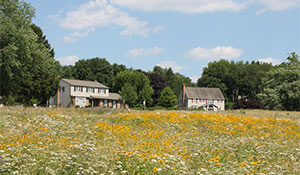
HOAs often own open spaces with large mowed lawn areas that could be converted to meadows to save money on mowing contracts and improve water quality and wildlife habitats. Learn More
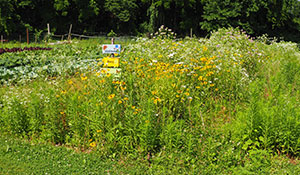
Forest and Meadow Stewardship
Forests and meadows are crucial for sustaining wildlife, preventing erosion, preserving water quality, sequestering carbon, and much more. Learn More
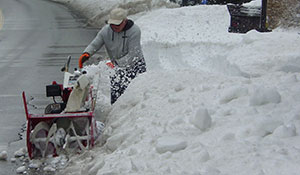
De-Icers
Although necessary for safety, many popular methods of ice removal, such as the use of rock salt, can have harmful effects on the environment when they make their way into the soil and nearby streams through runoff from snowmelt. Learn More
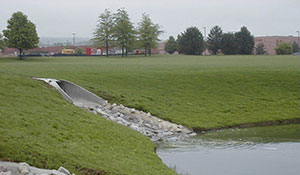
Fertilizers and Pesticides
Although the use of fertilizers and pesticides to maintain lawns and landscaping at HOAs has become the status quo, some of these methods can be dangerous to people, pets, and the surrounding environment. Learn More
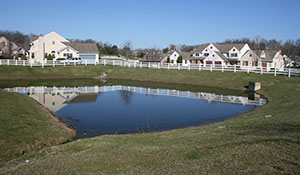
Stormwater Management
Stormwater management is a big concern for a lot of neighborhoods. Many HOAs own and are responsible for stormwater infrastructure including detention, retention, and infiltration basins, rain gardens, bioswales and other practices. Learn More
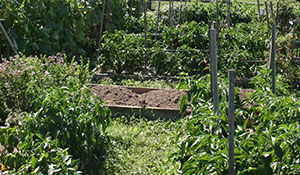
Community Gardens
Adding a community garden to a shared open area is a fantastic way to not only connect with your neighbors, but to grow local, healthy food. Learn More
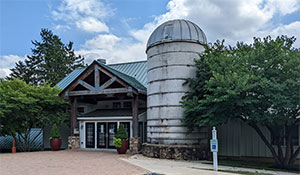
Historic Preservation
Many developments were built upon land that was formerly farm or other use, and the historic structures still remain. These structures can both enhance the community's sense of place and can serve as an amenity for community members and potentially the public. Learn More
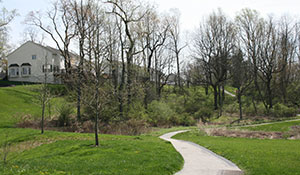
Trails and Multi-Modal Connectivity
Proximity to trails and general walkability — both within a neighborhood and to nearby destinations, is increasingly becoming a sought-after amenity that increases property values. When residents are able to walk or bike to school, work, or other common destinations, it encourages a healthier lifestyle and reduced reliance on traveling by car. Learn More